

As World Toilet Day shines a spotlight on the importance of toilets and sanitation, we sat down with Domestos’ UK Assistant Brand Manager Eleanor and Global Assistant Brand Manager Sophie, both students on Unilever's Industrial Placement programme, to find out more about Germbusters and how the brand is bringing toilet hygiene to life for children as part of its ambitious goal to help 100 million people access improved sanitation and hygiene by 2030.

- First of all, what is Germbusters and how were you involved this year?
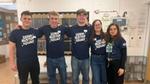
Sophie: Germbusters is an annual volunteering and outreach initiative where volunteers from Unilever and Domestos get out and into classrooms for a day to teach children all about toilet hygiene. It’s part of the brand’s longstanding partnership with UNICEF to improve sanitation and hygiene. This year, I helped organise the educational activities in the UK, India, Italy and South Africa. I also ran 6 classes myself in 4 schools all across London.
Eleanor: Germbusters is a global team effort, locally delivered. I’m based in Sunlight House – our UK headquarters in Kingston upon Thames, close to central London – and it was my job to liaise with our local schools and volunteers to ensure everyone was ready and prepared for the day. It was a lot of work, but well worth the effort. At the school where I volunteered in Battersea, it totally made the kids’ days!
- What does a Germbusters lesson actually entail?
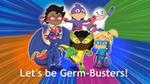
Eleanor: We work with experienced educators and teachers to design the Germbusters lesson plan, making sure the activities are accessible, age-appropriate and enjoyable. During the hour’s class, the children are introduced to “the Germbusters” themselves and take part in a series of interactive Germbusters “missions” – all carefully designed to get them thinking, learning and, most importantly, smiling.
Sophie: The kids love the Germbusters characters, who really help bring the topic to life. For example, “Captain Go” teaches children the importance of listening to their body and using the toilet when they feel the need to. There’s a quiz, an experiment, and even a special Germbusters song featuring some very fun dance moves so it really is a perfect hour of entertainment and education for children aged 4 to 6. At the end, they even get a Germbusters certificate to take home. They were all so proud to receive their certificates, it was so sweet.
- Why is toilet hygiene education for children so important?
Eleanor: Good hygiene habits are something we learn from a young age but continuing to build children’s confidence – particularly after potty training – is crucial. It’s important that kids don’t feel embarrassed, know how to stay clean and safe, and understand what they should and shouldn’t flush down the toilet. That’s where our Germbusters characters like “Tidy Bird” come in, helping make those everyday hygiene lessons into something simple, memorable and fun.
Sophie: Germbusters also teaches children when to ask adults for help. Research shows that around 1 in 3 children go to school with an unclean, unsuitable toilet, yet only 15% have spoken to an adult about their concerns[a]. Our Germbuster “Dragon Blast” was actually inspired by Domestos, reinforcing that cleaning toilets is a grown-up’s job, while encouraging children to speak up when something doesn’t look right.

- What was your Germbusters highlight?
Sophie: For me, it was seeing how quickly the children threw themselves into the session. By the end, they were confidently sharing what they'd learnt about good toilet habits. One child even put up their hand and asked to go to toilet. A small moment that showed the message had landed and made us volunteers smile.
Eleanor: Hearing such positive feedback from children, teachers and volunteers made all the preparation worthwhile. This year, we're proud to have reached more than 1,500 children across 15 London schools, and we’d love to reach even more in future as Germbusters goes from strength to strength.
- What has working on Domestos taught you so far?
Eleanor: I certainly never thought I would become such an expert on bleach! All jokes aside, I’ve really enjoyed learning about the science and innovation behind the brand. A great example is Domestos Power Foam, with its specially designed pump that works upside-down to make hard-to-reach places easier to clean. Understanding the R&D behind products like these has helped me see how consumer needs, innovation and marketing all work together to form the product you see on the shelf.
Sophie: As an Industrial Placement student, I've loved leading a project of this scale with teams around the world. Coordinating Germbusters across four countries gave me great project management experience and personally helping children grasp good toilet hygiene showed me first-hand how the initiative can make a real difference.
Frequently asked questions
What is World Toilet Day and why does it matter?
World Toilet Day takes place every year on 19 November. It is a United Nations (UN) observance day that highlights the importance of toilets, sanitation and hygiene and aims to inspire action towards Sustainable Development Goal 6 (SDG 6): water and sanitation for all. World Toilet Day is coordinated by UN-Water, the UN’s inter-agency coordination mechanism on water and sanitation. The 2026 campaign – called ‘Safe toilets. Equal futures.’ – focuses on sanitation and gender equality.
What is Domestos?
Domestos is the UK’s No. 1 toilet and bleach brand[b], known for its range of bathroom and toilet cleaning products, including Domestos Original Thick Bleach and Domestos Power Foam. For over 95 years, the brand has been at the forefront of home hygiene, helping protect against germs while working towards a wider ambition to improve access to cleaner, safer toilets. Beyond its products, Domestos supports education and initiatives that encourage positive hygiene habits and improve sanitation in communities around the world.
What is Germbusters?
Germbusters is the annual community and school outreach programme hosted by Domestos and its parent company Unilever that brings toilet hygiene education to life for children through engaging, age-appropriate activities led by volunteers. Launched in 2022, the initiative now operates in the UK, India, Italy and South Africa, growing year-on-year.
How do UNICEF and Domestos work together?
Domestos has partnered with UNICEF since 2012, to help improve access to clean, safe toilets and better sanitation. The partnership brings together the brand’s resources with UNICEF’s extensive experience in water, sanitation and hygiene (WASH) globally. Over the last 14 years, the partnership has supported more than 29 million children and communities with access to safer, cleaner toilets, alongside a further 57 million people through hygiene education.
Nielsen, 2025